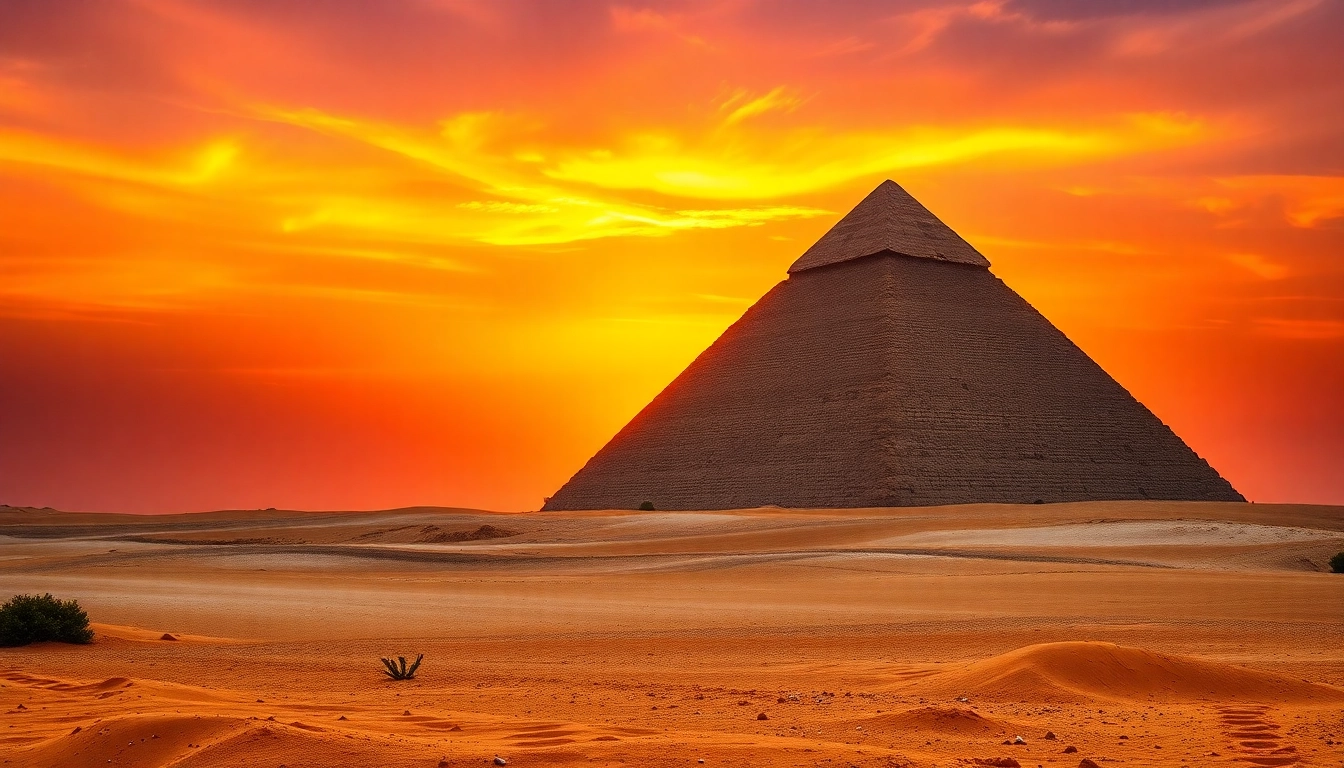
The Historical Significance of the Great Pyramid of Giza
The Great Pyramid of Giza, standing tall as the last of the Seven Wonders of the Ancient World, is a monument that encapsulates the grandeur and mystery of Ancient Egypt. Established as a tomb for Pharaoh Khufu, this remarkable structure has fascinated historians and tourists alike for centuries. Its immense scale, architectural precision, and cultural significance portray the height of ancient Egyptian civilization. For those seeking to explore more about these ancient marvels, resources such as https://piraminds.com/ offer a pathway into this captivating history.
Origins of the Pyramid Construction
The origins of the Great Pyramid construction date back to around 2580 BC during the Fourth Dynasty of the Old Kingdom. It symbolizes not only the power of the Pharaoh but also the culmination of centuries of architectural and engineering advancements utilized by the ancient Egyptians. Early burial structures were simple mound-like structures known as mastabas, which eventually evolved into the pyramid form to ensure stability and symbolize ascent to the heavens.
Architectural Innovations of the Ancient Egyptians
Ancient Egyptians employed various architectural techniques that laid the groundwork for future structures worldwide. One of the most significant innovations was the development of the true pyramid form, which provided a more stable structure than previous designs. The use of precise measurements and alignment in construction was exemplary, achieving orientations remarkably close to the cardinal points. This architectural prowess not only served aesthetic purposes but also had significant religious implications, as pyramids were seen as gateways for the Pharaohs to ascend to the afterlife.
Role in Ancient Egyptian Culture and Religion
Pyramids played a central role in ancient Egyptian culture, serving as a statement of divine kingship. They were architectural embodiments of the Egyptian belief in the afterlife, symbolizing rebirth and resurrection. Temples and funerary practices were intricately linked to the pyramids; they served as both tombs and religious sites where rituals were performed to honor the deceased Pharaohs, ensuring their safe passage to the afterlife.
How the Pyramids Were Built
The construction of the pyramids has long been a topic of intrigue, with numerous theories arising regarding the methods employed by the ancient Egyptians. From the lifting of massive stones to the logistics of a vast workforce, understanding these processes gives us insight into the capabilities of ancient engineering.
Techniques Used in Ancient Construction
Various techniques were implemented in the construction of the Great Pyramid. Workers likely used a combination of levers, ramps, and sledges. It is believed that they erected straight ramps or zigzagging ramps that could guide stones to their designated heights. The workforce utilized simple tools made from copper and stone, alongside ingenious methods for transporting enormous limestone and granite blocks, some weighing several tons.
The Workforce Behind the Pyramids
Contrary to the myth of slave labor, evidence suggests that skilled workers built the pyramids. Archaeological discoveries have shown that laborers were well-fed and housed in nearby temporary worker villages, indicating that they were part of a socially significant workforce dedicated to honoring the Pharaoh. This organization of talent points to a sophisticated society capable of managing extensive and intricate projects.
Challenges Faced During Construction
Construction of the Great Pyramid faced numerous challenges, ranging from the physical labor required to transport and position heavy stones, to environmental issues such as desert heat and shifting sands. The organization and management of such a vast number of laborers also posed logistical challenges, necessitating the development of a comprehensive support system including food and medical care.
Exploring the Interior of the Great Pyramid
The interior of the Great Pyramid is as intriguing as its exterior, containing numerous chambers and passageways that have captured the interest of archaeologists and historians for centuries.
Chambers and Passageways
The internal structure of the Great Pyramid consists of three main chambers: the King's Chamber, the Queen's Chamber, and the Grand Gallery. The King's Chamber, where the sarcophagus resides, is made of red granite and reflects the grandeur expected of a Pharaoh's final resting place. The Grand Gallery features a corbelled ceiling, showcasing the Egyptians' advanced engineering capabilities.
Significant Artifacts Found Inside
Various artifacts have been discovered within the Great Pyramid, including tools, pottery, and remnants of the burial equipment intended for the Pharaoh. These findings offer insights not only into the material culture of the time but also into the elaborate rituals that accompanied the burial of elite individuals in ancient Egypt.
Modern Excavation Techniques
Modern advancements in excavation and imaging technology have allowed researchers to explore the Great Pyramid like never before. Techniques such as thermal imaging and 3D scanning have revealed previously unknown voids and structures within the pyramid, suggesting that there may still be secrets waiting to be uncovered.
Visiting the Great Pyramid Today
Visiting the Great Pyramid offers a powerful connection to ancient history, where the past merges beautifully with the present. Tourists can explore not only the pyramid but the surrounding Giza Plateau, which is home to the Sphinx and other nearby pyramids.
Tourist Attractions Around Giza
The Giza Plateau is dotted with several historical attractions beyond the Great Pyramid. The Sphinx, a monumental limestone statue, embodies the mysteries of ancient Egypt. Other nearby pyramids, such as those of Khafre and Menkaure, provide additional contexts for the grandeur of the era. Furthermore, museums in the vicinity exhibit artifacts recovered from the pyramids and the broader historical narrative of Egypt.
Best Times to Visit the Pyramids
To truly appreciate the experience, the best times to visit the pyramids are during the cooler months, typically from October to April. Early mornings or late afternoons provide ideal weather and fewer crowds, allowing for an immersive exploration of this iconic landmark.
Travel Tips and Guidelines
When visiting the Great Pyramid, it’s essential to dress comfortably and stay hydrated. Guided tours can enhance the experience, providing expert insights into the historical significance of the site. Respect for the site’s rules and regulations is vital to preserving the integrity of these ancient structures.
Myths and Misconceptions about the Great Pyramid
Numerous myths surrounding the Great Pyramid abound, often stemming from a lack of understanding of the ancient Egyptian civilization.
Debunking Construction Myths
One of the prevalent myths is that the pyramids were built by slaves. In truth, skilled laborers undertook the construction, countering the narrative of oppression. Additionally, many believe that the construction was completed quickly, whereas archaeological evidence suggests a protracted building period that spanned decades.
Misunderstandings of Cultural Context
Another common misconception is regarding the purpose of the pyramid. Many assume it was solely a burial place, yet it also served as a religious center, embodying the Pharaoh's role as a mediator between the gods and the people. Understanding this dual purpose enriches appreciation for the cultural heritage of ancient Egypt.
Exploring Modern Interpretations of Ancient Secrets
Modern interpretations often seek to link the pyramids with extraterrestrial influences or advanced technologies, overshadowing the impressive achievements of human ingenuity. While some theories can be entertaining, they distract from the practical wisdom and skills exemplified by the ancient Egyptians.
FAQs
What is the Great Pyramid of Giza?
The Great Pyramid of Giza is an ancient pyramid located in Egypt, built as the tomb for Pharaoh Khufu. It is the largest of the three pyramids on the Giza Plateau.
How were the pyramids built?
The pyramids were constructed using a combination of skilled labor, advanced architectural techniques, and tools like levers and ramps for moving large stones.
Who designed the Great Pyramid?
Although the specific architect is unknown, it is believed that the pyramids were designed by high-ranking officials and architects of Khufu's court, using their knowledge of mathematics and astronomy.
Are there more pyramids in Egypt?
Yes, there are over a hundred pyramids across Egypt, including the pyramids of Giza and numerous smaller pyramids built for other Pharaohs and nobles throughout ancient Egyptian history.
Can you go inside the Great Pyramid?
Yes, visitors can enter the Great Pyramid through a specific entrance. However, access might be limited, and it's recommended to visit with a guide for a more enriching experience.