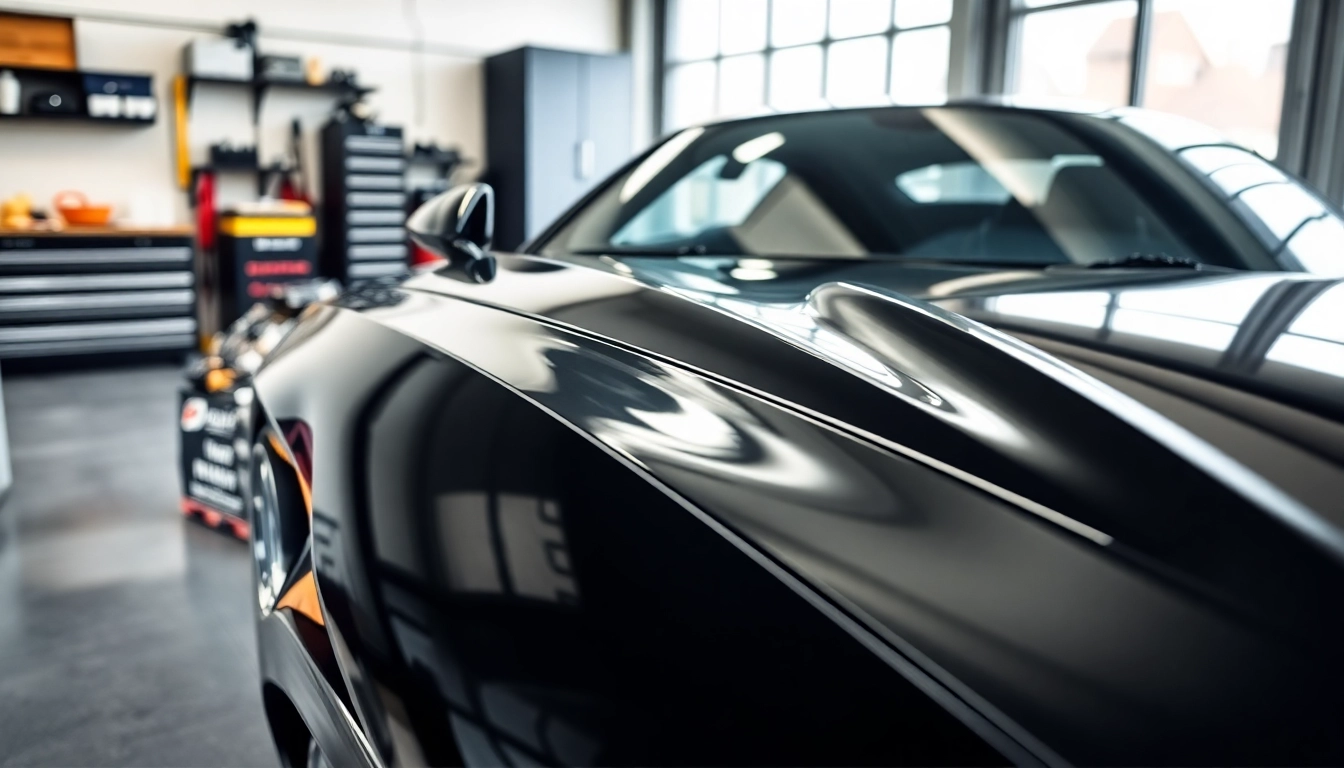
Understanding PPF Chattanooga
What is Paint Protection Film?
Paint Protection Film (PPF) is a transparent, thermoplastic urethane film that is applied to the exterior surfaces of automobiles. Its primary purpose is to safeguard the paintwork from damage caused by a variety of environmental factors, such as road debris, stone chips, UV rays, and even chemical stains. The film is engineered to be durable yet flexible, allowing it to conform to the contours of the vehicle while providing a highly effective barrier against scratches and impact damage.
Benefits of Using PPF Chattanooga
Utilizing PPF Chattanooga offers several advantages for vehicle owners:
- Enhanced Protection: PPF resists chips, scratches, and abrasions, ensuring that your vehicle’s paint remains pristine over time.
- Self-Healing Properties: Many films boast self-healing technology that allows minor scratches to vanish when exposed to heat, maintaining a smooth surface.
- UV Protection: PPF blocks harmful UV rays that can cause fading, ensuring that your vehicle’s color remains vibrant for years.
- Resale Value: By protecting the original paint, PPF can help maintain the car’s resale value, making it a smart investment.
- Ease of Maintenance: The smooth surface of PPF makes washing and drying your vehicle easier, preventing dirt and grime from sticking.
Key Features of Quality PPF
Not all Paint Protection Films are created equal. Here are the essential features to look for when choosing quality PPF:
- Thickness: A higher film thickness provides better protection; typically, films range from 6 to 8 mils.
- Clarity: High-quality PPF should be virtually invisible, allowing your vehicle’s original color to shine through without distortion.
- Adhesion: Premium films have superior adhesive properties that keep them securely in place, reducing the likelihood of lifting or peeling.
- Warranty: Look for films that come with a warranty, which can range from five to ten years, indicating durability and manufacturer confidence.
- Self-Healing Capabilities: Some advanced films can heal minor scratches and swirls when exposed to heat, ensuring long-lasting clarity.
Installation Process for PPF Chattanooga
Preparing Your Vehicle
The success of PPF installation relies heavily on proper preparation. Here are the steps you should take:
- Thorough Cleaning: Wash the vehicle meticulously to remove dirt, dust, and contaminants that could affect adhesion.
- Inspect the Surface: Check for scratches, dents, or existing paint damage that might need attention before installation.
- Dry the Vehicle: Ensure that the surface is completely dry to prevent any moisture from getting trapped under the film.
Step-by-Step Installation Guide
Here’s a detailed guide on how to install PPF effectively:
- Position the Film: Carefully position the PPF over the area being protected, ensuring minimal overlap and alignment with edges.
- Apply the Solution: Use a slip solution (water and a few drops of soap) to help slide the film into place and facilitate easy application.
- Use a Squeegee: Starting from the center and moving outward, use a squeegee to remove bubbles and ensure proper adhesion.
- Trim Excess Film: Once the film is properly placed, carefully trim any excess material along the edges for a seamless appearance.
- Heat Activation: Use a heat gun to activate the adhesive and ensure that the film bonds securely and conforms to the surface’s curves.
Common Mistakes to Avoid
To guarantee a successful installation of PPF, avoid the following common pitfalls:
- Inadequate Cleaning: Neglecting to clean the vehicle thoroughly can result in poor adhesion and visible imperfections.
- Wrong Temperature: Installing PPF in extreme temperatures can affect the adhesive properties; a controlled environment is ideal.
- Overstretching the Film: Stretching the film too much can cause it to lose its shape or even tear during installation.
- Skipping the Heat Gun: Neglecting to use a heat gun can prevent the film from conforming properly to curved areas.
- Insufficient Drying Time: Rushing the process without allowing enough drying time can lead to bubbling and lifting.
Maintaining Your PPF Chattanooga
Cleaning and Care Tips
Proper maintenance of your PPF will prolong its life and effectiveness. Here are some key tips:
- Regular Washing: Wash your vehicle regularly using a mild soap and soft microfiber cloth to avoid damaging the film.
- Avoid Harsh Chemicals: Steer clear of abrasive cleaners and solvents that can degrade the film’s surface.
- Use a Ceramic Coating: Applying a ceramic coating over the PPF can enhance protection and simplify maintenance.
- Drying Techniques: Always dry the film with a soft cloth to prevent water spots and streaks.
- Inspect Periodically: Regularly check the film for any signs of wear or damage, addressing issues promptly.
Addressing Wear and Tear
Over time, wear and tear can occur, but here’s how to address it:
- Minor Scratches: Use a heat gun to lightly warm the scratched area; many films have self-healing properties.
- Deep Scratches: For more significant damage, consider applying a patch or replacing the affected section of the film.
- UV Damage: If the film begins to discolor, consult a professional for options to replace or restore the film.
- Adhesion Issues: If the film starts to lift at the edges, enhance adhesion by applying heat and pressing the film back down.
- Replace When Necessary: If the film has extensive wear, replacement is often the best option for continued protection.
Signs It’s Time for Replacement
Recognizing when to replace your PPF is crucial. Look out for these signs:
- Severe Discoloration: If the film has yellowed significantly or shows discoloration, it may need replacing.
- Cracking or Bubbling: Visible cracks or bubbles indicate loss of integrity and performance of the film.
- Loss of Adhesion: If the film is lifting away from the surface, a replacement may be necessary.
- Extensive Scratching: Deep scratches that do not heal can compromise protection, necessitating a new film.
- Staining: If stains cannot be removed or affect the appearance of the vehicle, replacement should be considered.
Comparing Options: PPF Chattanooga vs. Alternatives
PPF vs. Ceramic Coating
When considering protective options, both PPF and ceramic coating have distinct advantages:
- Protection Level: PPF is superior for preventing physical damage, while ceramic coatings offer excellent chemical resistance.
- Durability: PPF typically lasts longer against physical impacts, while ceramic coatings need periodic maintenance to maintain effectiveness.
- Appearance: PPF is less reflective and provides a matte appearance; ceramic coatings enhance gloss and depth.
- Application: PPF installation is more complex and time-consuming, while ceramic coatings can often be done in less time.
- Cost: While both options vary in price based on quality and vehicle size, PPF tends to be more expensive initially due to installation complexity.
Cost Analysis: PPF vs. Wrapping
When comparing Paint Protection Film to vehicle wrapping, consider the following:
- Purpose: PPF is mainly for protection, whereas wraps are often used for aesthetic changes or advertising.
- Durability: PPF is designed to last for years, while wraps can be more prone to peeling and damage.
- Costs: Generally, PPF installation costs more upfront due to the protective nature and installation process, while wraps can vary widely in price.
- Maintenance: PPF usually requires less ongoing maintenance compared to wraps, which can require careful handling to maintain appearance.
- Resale Value: Vehicles with PPF typically retain their paint quality better, often leading to a higher resale value than wrapped vehicles.
Long-term Protection Considerations
In evaluating long-term protective options, remember these factors:
- Climate: Consider the local weather conditions, as harsh environments can necessitate different levels of protection.
- Driving Habits: If you frequently drive in high-traffic or rugged areas, more durable protection like PPF is advisable.
- Investment Value: PPF is generally a more long-term investment in vehicle ownership, impacting resale value positively.
- Appearance Maintenance: Both PPF and high-quality ceramic coatings help maintain vehicle aesthetics, but PPF excels at physical damage prevention.
- Technology Advances: Stay updated with advancements in material technology for better protection options in the future.
FAQs About PPF Chattanooga
What is the lifespan of PPF?
The lifespan of high-quality PPF can range from 5 to 10 years, depending on factors such as exposure to elements and maintenance routines.
Can PPF be removed?
Yes, PPF can be removed. It requires a careful process to avoid damaging the vehicle’s paint beneath the film.
Why choose PPF over traditional paint?
PPF offers superior protection against scratches, chips, and UV damage, preserving your vehicle’s paint and enhancing its value.
How do I choose the right PPF?
Look for factors like thickness, clarity, warranty, and self-healing properties when selecting the best PPF for your vehicle.
Is PPF suitable for all vehicles?
Yes, PPF can be applied to virtually any vehicle type, including cars, trucks, and motorcycles, offering effective protection for all.